 Malaysia
 Indonesia
 ภาษาไทย
 English
The global energy landscape is undergoing a radical transformation, driven by the insatiable power demands of Artificial Intelligence (AI) and the pioneering vision of companies like Tesla. At the heart of this revolution lies a critical, yet often overlooked component: the Power Transformer.
1. AI: The New Catalyst for Transformer Demand
The explosion of generative AI and large language models (LLMs) has necessitated a massive expansion of data centers worldwide. These "AI factories" require an immense amount of electricity, which must be stepped down and regulated by high-capacity transformers.
The "Power Crunch": Industry experts, including Elon Musk, have warned that the next bottleneck for AI development won't be chips, but the electrical infrastructure itself—specifically transformers and voltage regulators.
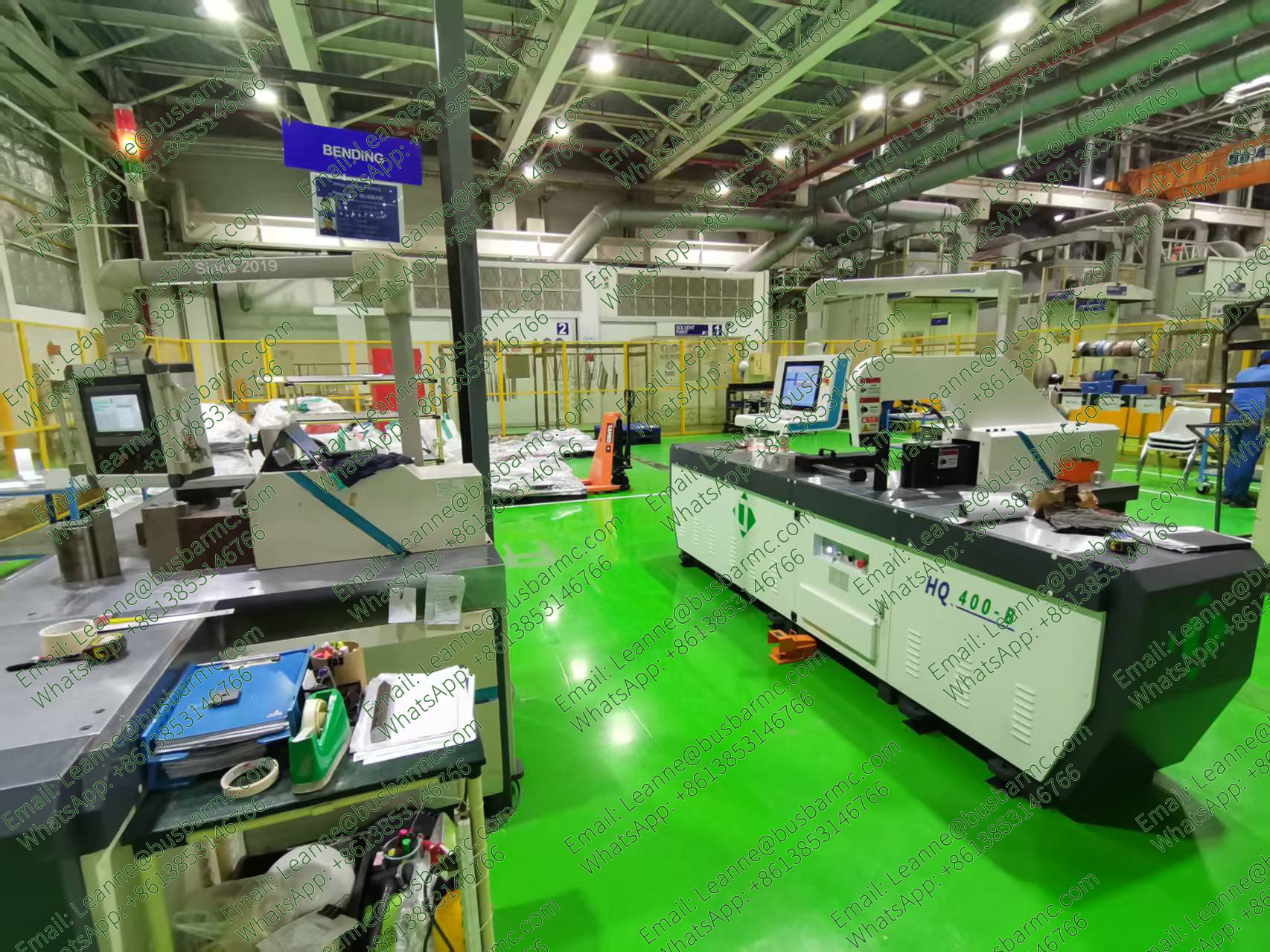
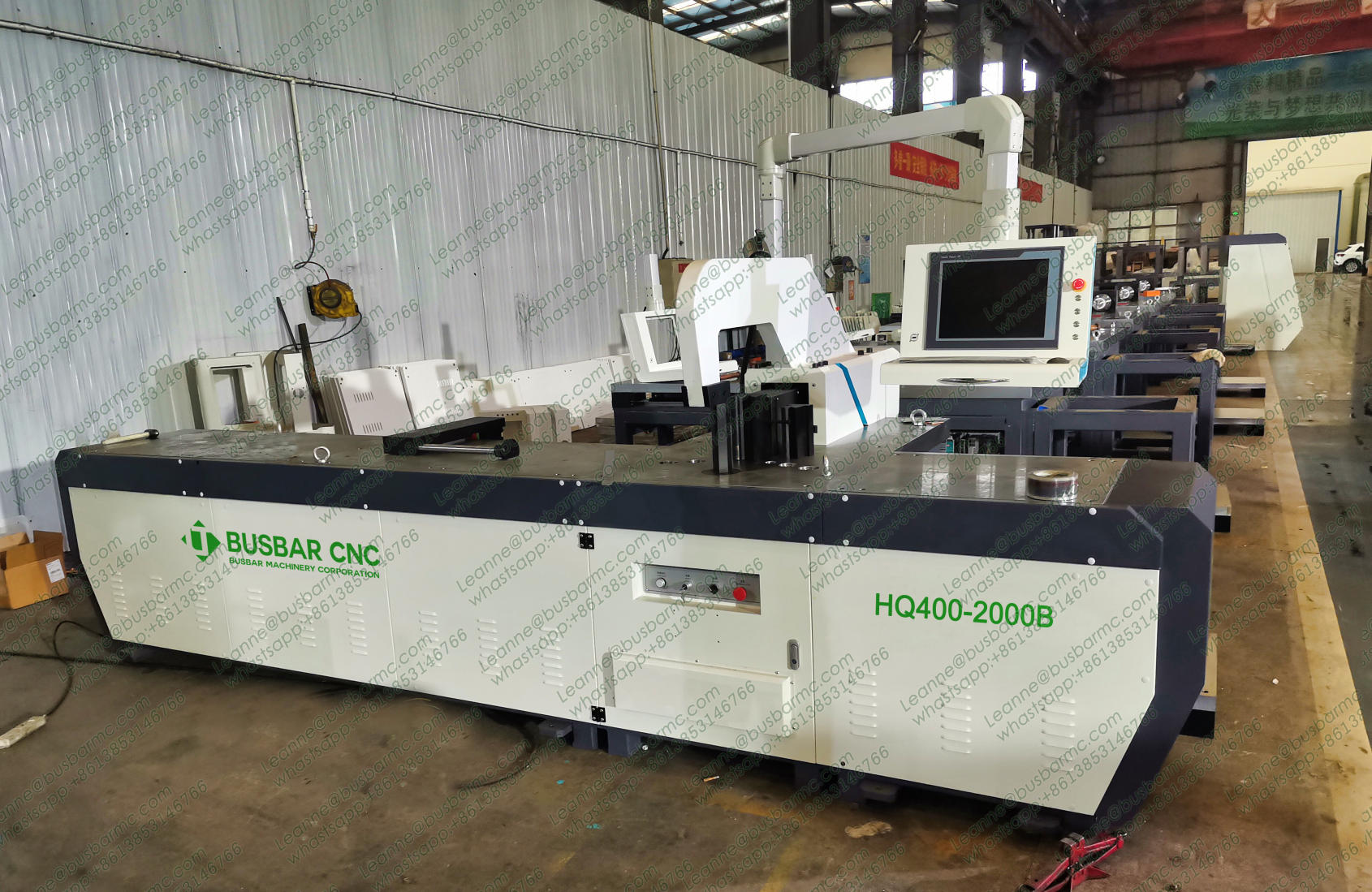
Precision Fabrication: To meet this surge, manufacturers like LTMC are providing the CNC busbar processing machinery necessary to build the high-conductivity copper components found inside these massive units.
2. Tesla’s Role: Redefining the Grid with Megapacks
Tesla is no longer just a car company; it is a global leader in energy storage and grid stability. Tesla’s Megapack systems are essentially giant batteries that rely heavily on sophisticated power electronics and integrated transformers to interface with the high-voltage grid.
Vertical Integration: Tesla’s push for efficiency has forced the transformer industry to innovate, moving toward more compact, efficient, and "smart" transformer designs.
The "Tesla Effect" on Supply Chains: Tesla's massive projects in regions like Australia and the USA have tightened the global supply chain for electrical-grade steel and copper busbars.
3. AI as a Solution: Smart Transformers
Ironically, while AI consumes vast amounts of power, it is also being used to optimize the very transformers that deliver it.
Predictive Maintenance: AI algorithms now analyze thermal data and vibration patterns to predict transformer failure before it happens, preventing costly grid blackouts.
Digital Twin Technology: Manufacturers are using AI to create "digital twins" of transformers, allowing for better thermal management and more efficient busbar layouts during the design phase.
4. Strategic Industry Alignment
| Factor | Influence on Transformer Industry | LTMC Solution Capability |
| AI Data Centers | High-density power requirements | HQ600-SP for mass-producing high-current copper bars |
| Tesla Megapacks | Need for compact, high-precision components | HQ400-1200B for complex, space-saving busbar bends |
| Grid Modernization | Demand for "Smart" and durable infrastructure | 3-in-1 machines for rapid on-site maintenance and upgrades |
Conclusion
As Elon Musk famously noted, "The output of AI is limited by the availability of transformers." The synergy between AI's processing power and Tesla's energy storage vision has placed the Power Transformer at the center of the 21st-century industrial revolution. For manufacturers, the key to success in this era is the adoption of high-precision, automated fabrication technology to keep up with a world that is becoming more electrified by the second.