 English
 Malaysia
 Indonesia
 Malaysia
 ภาษาไทย
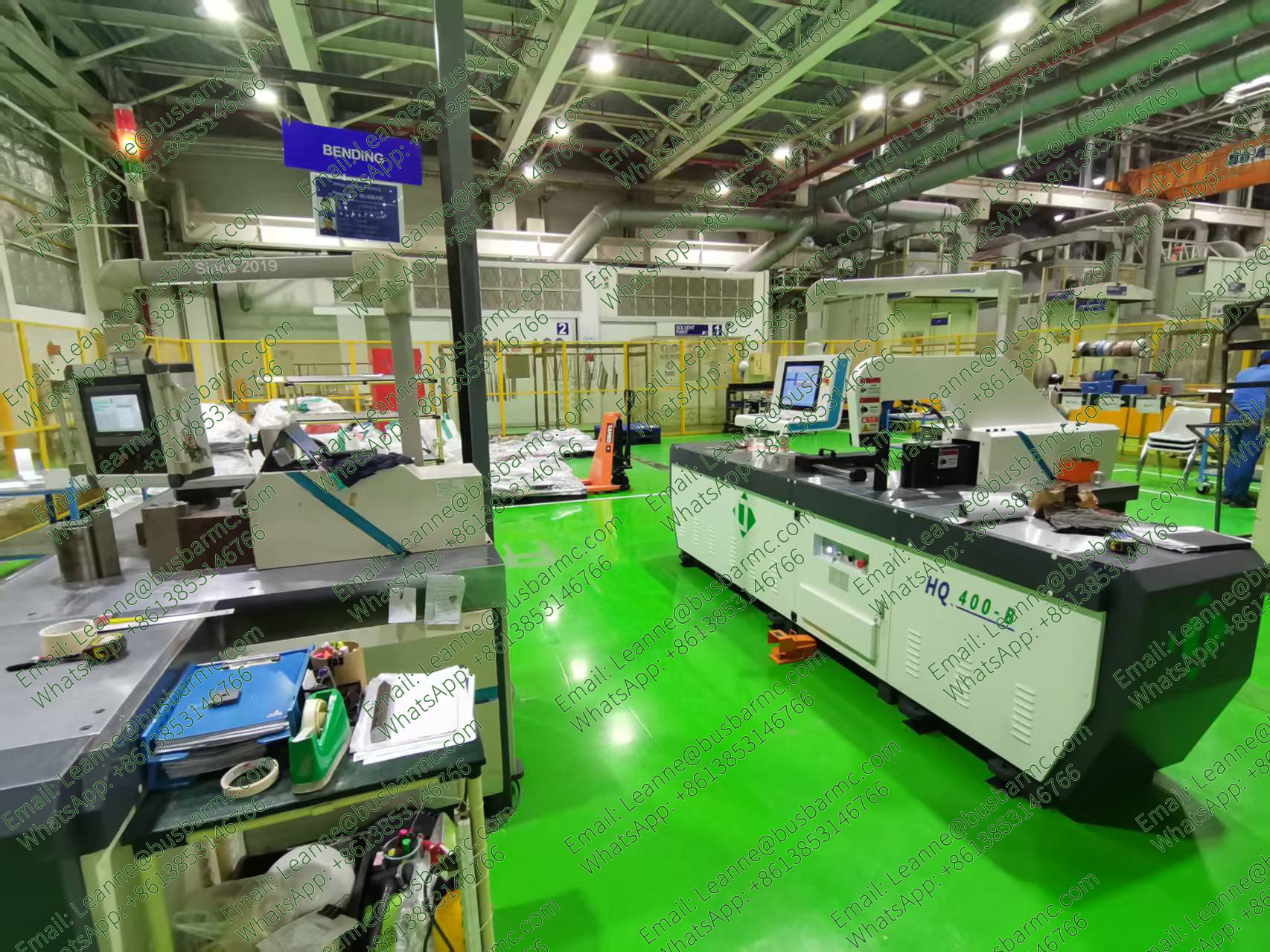
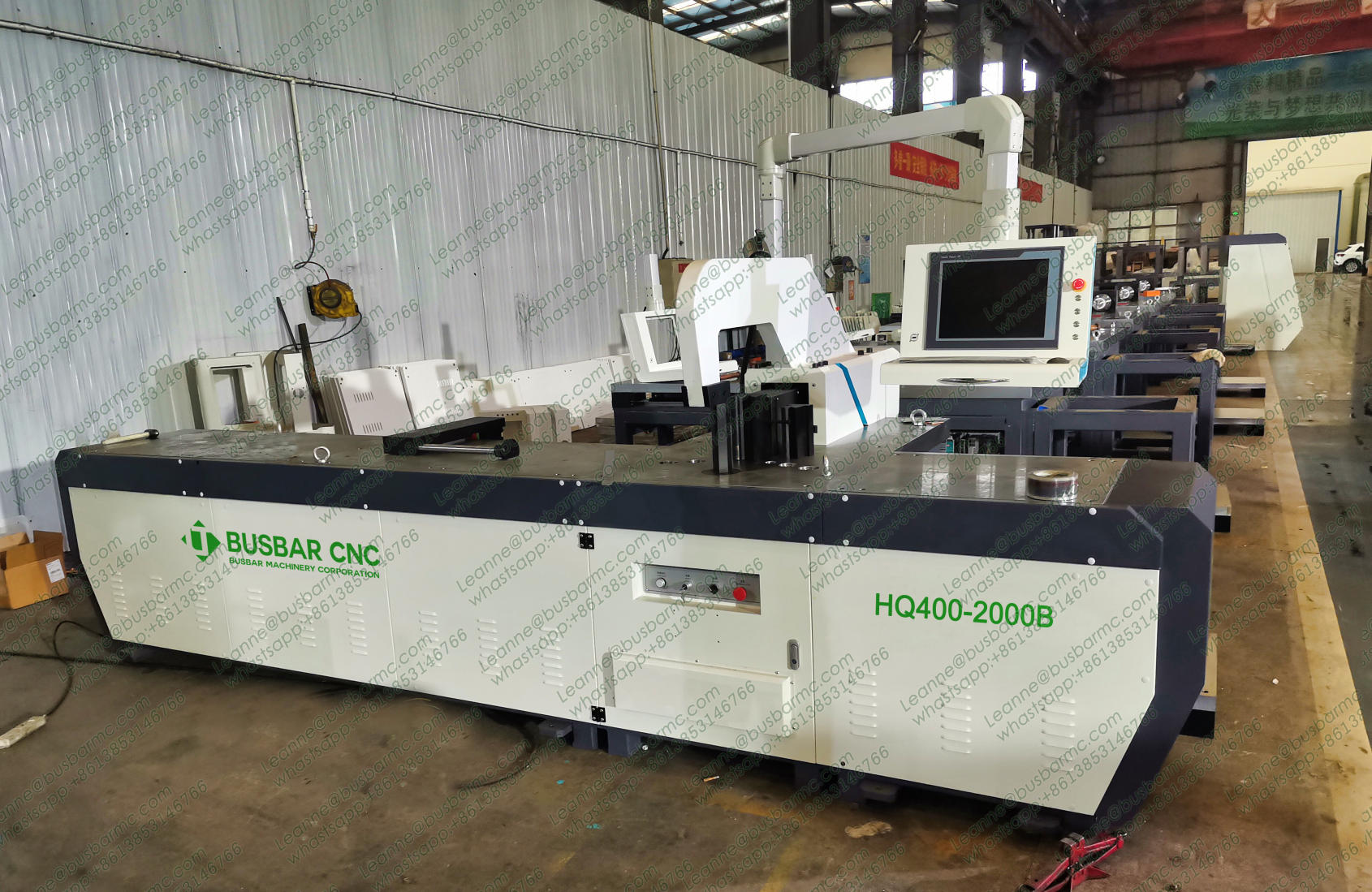
[Technical Insights] – February 2026– In the world of electrical switchgear and transformer manufacturing, a busbar is more than just a conductor; it is a precision-engineered component. As designs become more compact to meet modern "smart grid" requirements, the demand for complexVertical (Edge) BendingandU-Bendinghas reached an all-time high.
But why is vertical bending considered the "ultimate test" for a busbar machine? Today, we dive into the technicalities of theLTMC HQ400-1200B CNC Bending Machineand how it achieves consistent results.
1. The Challenge of Vertical (Edge) Bending
Unlike traditional flat bending,Vertical Bending(often called "Stand-up" or "Edge-wise" bending) involves bending the copper bar along its width rather than its thickness.
The Physics:This process requires significantly higher force and precision to prevent the material from buckling or cracking at the outer radius.
The Solution:TheHQ400-1200Butilizes aclosed-bending structure. Unlike "open" designs that can flex under pressure, the closed frame ensures uniform force distribution, keeping the copper bar perfectly aligned during the stroke.
2. Solving the "Springback" Equation
Copper and aluminium are notorious for "springback"—the tendency of the metal to partially return to its original shape after the bending pressure is released.
CNC Intelligence:Our CAD/CAM integrated system automatically calculates the necessary over-bend based on material thickness and hardness.
Accuracy:With a bending accuracy of±0.3°and a repeat positioning accuracy of±0.02mm, LTMC machines eliminate the trial-and-error manual adjustments that waste time and expensive copper stock.
3. Achieving the Perfect U-Bend in Limited Space
Modern control panels require ultra-compact busbar layouts. Achieving a tightU-bendwithout compromising the structural integrity of the copper is a feat of engineering.
Modular Tooling:LTMC provides specializedmulti-function bending diesdesigned specifically for tight-radius U-shapes.
Servo-Driven Precision:By using a full servo motor drive for the main power, theHQ400-Bprovides stable transmission that is unaffected by hydraulic temperature fluctuations, ensuring that the 1st bend and the 100th bend are identical.
4. Why Engineers Prefer LTMC for Complex Geometry
When a project requires a mix of flat, vertical, and twist bends, the workflow efficiency becomes critical.
Automatic Stop System:Our CNC stopper features a modular design with a gauge accuracy of±0.15mm, allowing for rapid switching between different bend types without manual re-measurement.
CAD/CAM Integration:Engineers can generate 3D models and machining codes instantly, reducing the gap between design and finished part.
Technical Summary: HQ400-1200B at a Glance
| Feature | Technical Specification |
| Nominal Pressure | 400 KN |
| Bending Accuracy | ± 0.3° |
| Max Vertical Bend Size | 12mm x 120mm |
| Max Horizontal Bend Size | 15mm x 160mm |
| Control System | CNC with CAD/CAM Support |
SEO Keywords for this News:
Busbar vertical bending, CNC busbar bending techniques, Copper bar edge bending, HQ400-1200B technical specs, Busbar springback compensation, Precision switchgear fabrication.
Would you like me to create a "Step-by-Step Operator Guide" for vertical bending that you can use as a downloadable PDF lead magnet on your site?